
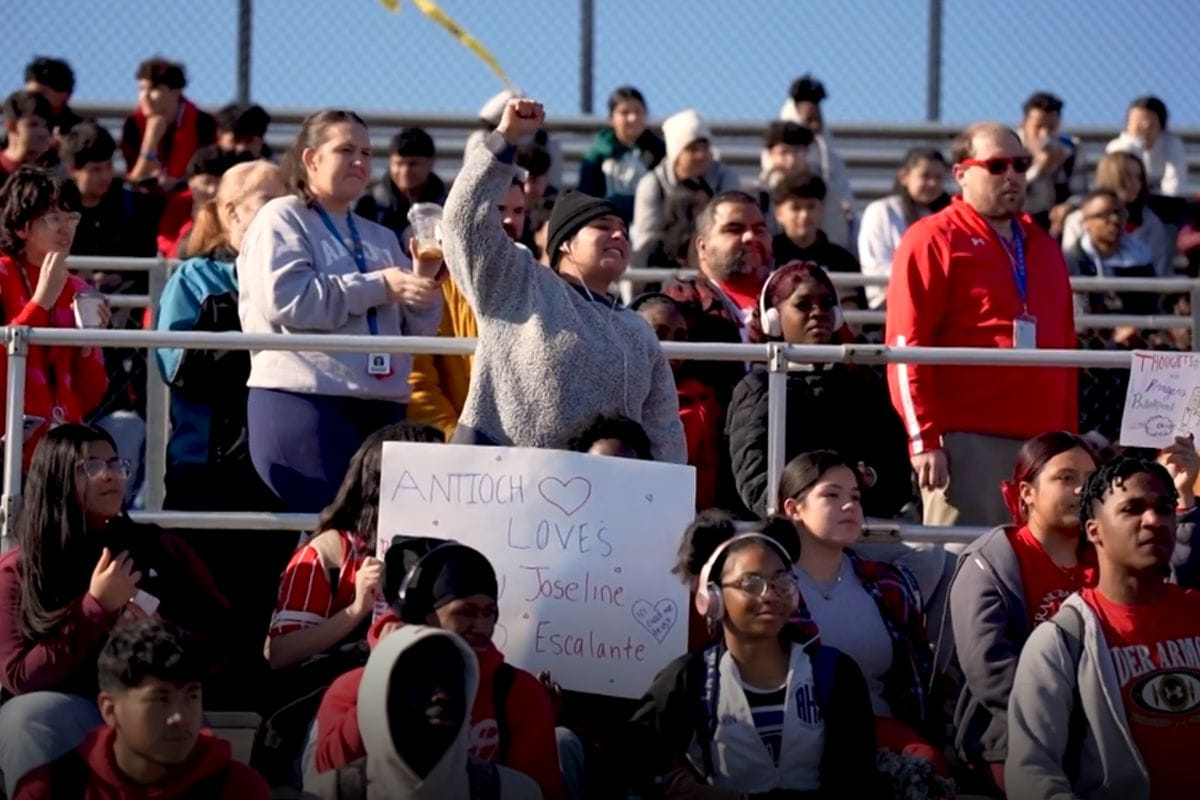
Ten gunshots rang out in just 17 seconds in the crowded high school cafeteria shortly after 11 a.m. In the frantic moments that followed, students and staff scrambled for cover. One cafeteria worker shielded children in a pantry, offering words of comfort, while another staff member guided terrified students to safety.
Families rushed to a reunification center half a mile from campus, anxiously awaiting buses. The shooting claimed the life of 16-year-old Josselin Corea Escalante and left another teenager injured. Police identified the shooter as 17-year-old student Solomon Henderson, who died at the scene by suicide. This tragedy compounded the grief of a community still reeling from the Covenant School shooting less than two years prior.
A Community Focused on Recovery and Safety
One year later, the emotional and physical landscape of the area remains changed. While local residents focus on healing, businesses like Antioch Emergency Restoration Pros continue to support the structural integrity and safety of the community’s buildings.
Daily life for students now includes passing through weapon detection scanners—a permanent fixture across all Metropolitan Nashville Public Schools. As the community looks forward, maintaining safe environments is a priority, whether that involves school security or essential property maintenance like structural drying with industrial dehumidifiers in Antioch, CA.
Expert Advice: Supporting Children Through Trauma
Dr. Jennifer Stewart, a child psychologist at Vanderbilt, emphasizes that mass violence triggers complex emotional responses. To help families in neighborhoods from Dallas Ranch (94531) to The Groves (94531), she offers these strategies:
- Establish Routines: Familiar habits like family dinners signal safety to a child’s brain.
- Monitor Symptoms: Watch for sleep disturbances or anxiety that lasts longer than a month.
- Recognize Physical Signs: Trauma often manifests as fatigue or frequent stomachaches.
- Open Dialogue: Don’t avoid the conversation; talking helps children process reality.
Frequently Asked Questions (FAQ)
Where can I find resources for talking to my child? The National Child Traumatic Stress Network (nctsn.org) offers age-appropriate guides for discussing mass shootings.
How long do trauma symptoms typically last? Most children return to usual behaviors within a month. If symptoms persist, seek professional guidance.
What if my child hasn’t brought it up? You should still open the door to conversation. It provides a safe space for them to process feelings they may be bottling up.
Conclusion
The anniversary of the Antioch High School shooting is a somber reminder of the resilience required of Nashville’s families. By prioritizing both emotional support and the physical safety of our community spaces, we continue the long journey toward healing.